
Nepal’s Rastriya Swatantra Party Wins Parliamentary Majority
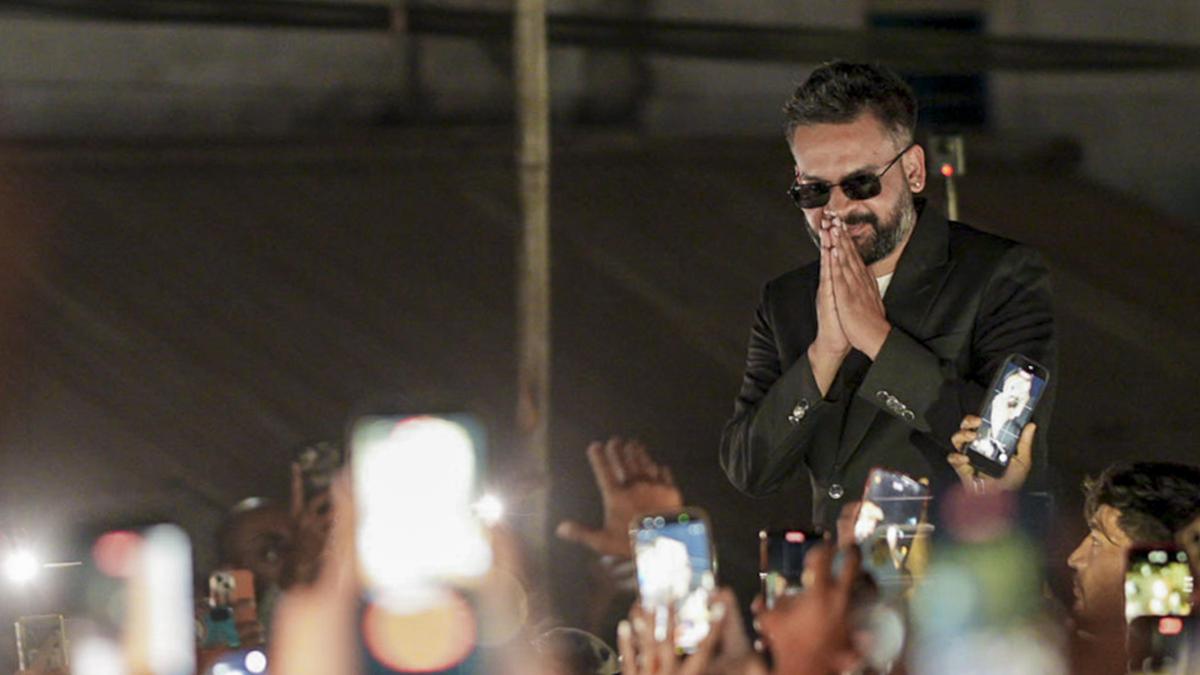
Nepal’s centrist Rastriya Swatantra Party (RSP), led by rapper-turned-politician Balendra Shah, has secured a majority in the 275-member House of Representatives following the March 5 parliamentary elections. The Election Commission confirmed that RSP won 182 seats, with 125 seats in direct elections and an additional 57 through proportional representation (PR), falling just two seats short of a two-thirds majority.
The election marks a dramatic political shift in Nepal, driven by anti-establishment sentiment and youth frustration over corruption. Shah himself unseated former four-time prime minister KP Sharma Oli in his constituency.
The Nepali Congress, previously the largest party, secured 38 seats, while the Marxist party led by Oli won 25 seats, and the Maoists obtained 7.
This election is the first following the September 2025 youth-led anti-corruption protests, which toppled the former government. The demonstrations, initially sparked by a brief social media ban, expanded into broader demands for accountability and economic reform.
The Election Commission has requested political parties to submit the names of their candidates within three days to formalize the seating of the new parliament.
Shah’s rise from Kathmandu mayor to expected prime minister represents one of the most remarkable political shifts in Nepal in recent decades, reflecting growing influence of youth-driven politics and anti-corruption movements.







Comments
This post currently has no comments.