
Pakistan Opens Road Trade Routes to Iran Amid Strait of Hormuz Disruption
Pakistan has opened six overland transit routes for goods bound for Iran, in a move aimed at easing trade disruptions caused by heightened US-Iran tensions and restrictions on maritime shipping through the Strait of Hormuz.
The Ministry of Commerce announced the Transit of Goods through the Territory of Pakistan Order 2026, which took effect on April 25. The policy allows goods from third countries to be transported through Pakistan by road into Iran.
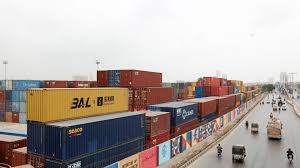
The decision comes as thousands of shipping containers remain stranded at Karachi port due to disruptions in maritime movement linked to the ongoing US-Iran conflict and restricted access to Iranian ports.
Officials say the new arrangement is intended to strengthen regional trade and position Pakistan as a key transit corridor for West Asia. Commerce Minister Jam Kamal Khan described the initiative as an important step in expanding Pakistan’s trade connectivity.
New overland trade corridors
The approved routes connect Pakistan’s major ports—Karachi, Port Qasim, and Gwadar—to Iranian border crossings at Gabd and Taftan, passing through key Balochistan towns including Turbat, Panjgur, Khuzdar, Quetta, and Dalbandin.
Among them, the Gwadar-Gabd corridor is expected to significantly reduce transit time, cutting travel to the Iranian border to about two to three hours compared to up to 18 hours from Karachi. Officials also estimate transport cost reductions of up to 55 percent on this route.
Response to regional tensions
The move follows ongoing instability in maritime trade routes, particularly the Strait of Hormuz, a critical global oil shipping channel that has been heavily affected by the US-Iran conflict.
With traditional sea routes disrupted and insurance costs rising sharply, overland transport has become a more viable alternative for exporters and logistics operators.
Pakistan’s decision also reflects shifting regional dynamics, as strained relations with Afghanistan have reduced the reliability of northern trade routes, pushing Islamabad to diversify its transit options.
Strategic and geopolitical implications
Analysts say the new corridor could reshape regional trade patterns, positioning Pakistan as a major overland gateway between South Asia and West Asia.
However, experts also warn that security risks in border regions, particularly Balochistan, could affect the long-term stability of the trade routes.
While Iran has not officially responded to the announcement, diplomatic discussions between Islamabad and Tehran have continued alongside broader mediation efforts in the US-Iran conflict.
The development underscores how ongoing geopolitical tensions are increasingly influencing trade infrastructure and regional economic strategies.







Comments
This post currently has no comments.