
Canada Unveils Tougher Methane Emission Rules for Oil and Gas Sector
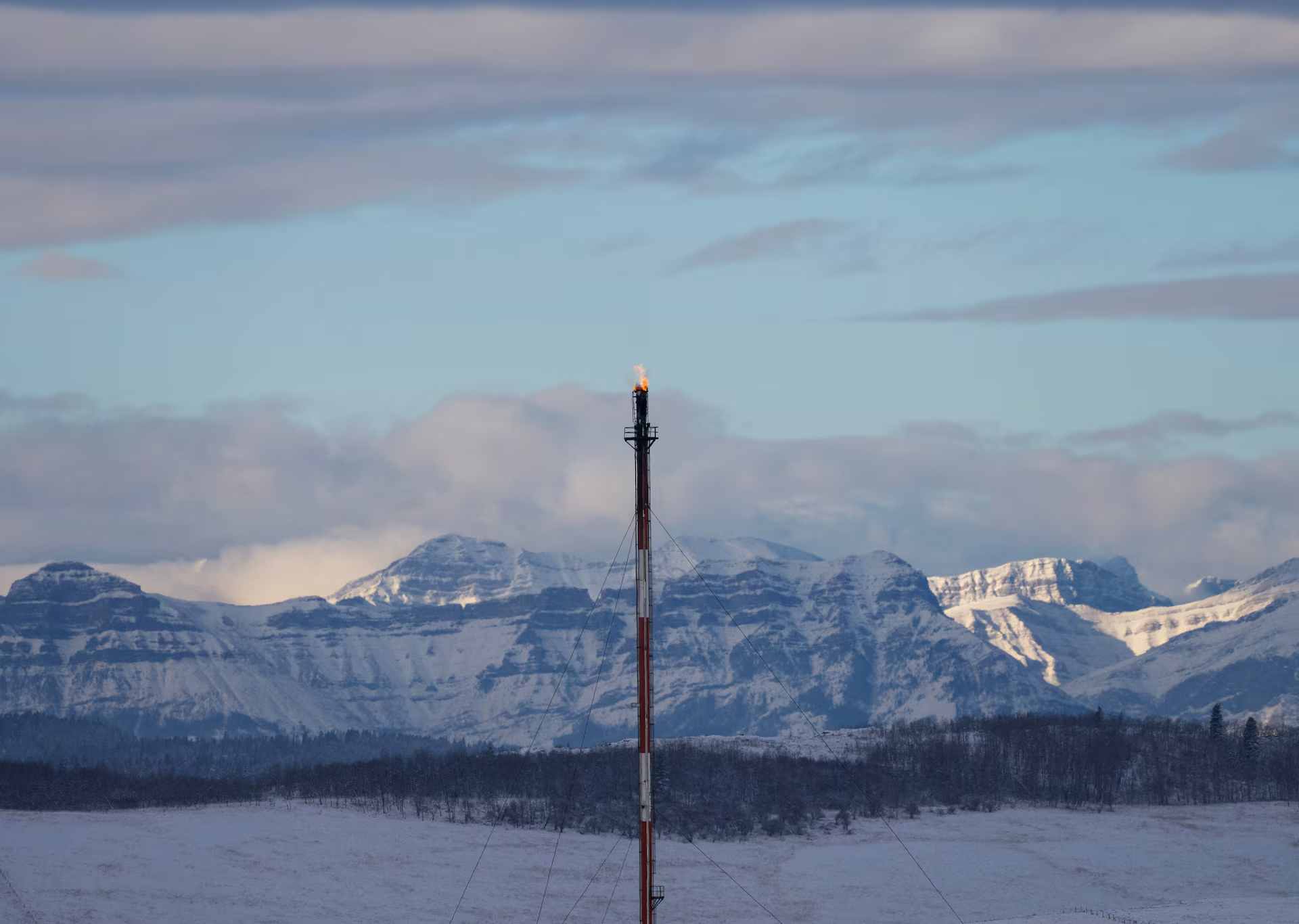
Canada has announced new regulations aimed at significantly cutting methane emissions from its oil and gas sector, with the government targeting a 75 per cent reduction by 2035 compared with 2014 levels.
The rules, unveiled on Tuesday, are part of Ottawa’s efforts to curb emissions of methane, a potent greenhouse gas that contributes far more to global warming than carbon dioxide over shorter periods. Although methane remains in the atmosphere for less time than CO₂, it can have up to 80 times the warming impact over 20 years.
According to the Canadian government, the new standards will take effect in 2028 and are expected to reduce emissions by an estimated 304 million tonnes of carbon dioxide equivalent. Officials said the measures would achieve this with only a marginal impact on production, projecting a reduction in oil and gas output of about 0.2 per cent between 2025 and 2035.
The regulations fulfil a commitment by Prime Minister Mark Carney to strengthen Canada’s methane policies, although they extend the timeline set out in draft rules proposed under his predecessor, Justin Trudeau. Trudeau’s plan, which was never implemented, called for a 75 per cent cut by 2030 and was criticised by the oil and gas industry as unrealistic.
Oil and gas operations account for roughly half of Canada’s total methane emissions, largely due to venting, flaring and leaks from wells and infrastructure. The new framework will prohibit routine venting, with limited exceptions, and introduce stricter inspection and repair requirements to detect and fix leaks.
Companies will also be allowed some flexibility in how they meet the standards, provided they comply with prescribed methane intensity thresholds.
Despite the progress on methane, overall greenhouse gas emissions from Canada’s oil and gas sector continue to rise as production increases. The country is not currently on track to meet its broader climate goal of cutting total emissions by 40 to 45 per cent below 2005 levels by 2030.
Prime Minister Carney has faced criticism from environmental groups for scaling back some climate policies in recent months to encourage energy investment. However, government officials said earlier that methane regulations have already helped put Canada on course to meet its existing commitment of a 40–45 per cent reduction below 2012 levels by the end of 2025.
The latest measures underscore Canada’s attempt to balance climate action with continued growth in its energy sector.







Comments
This post currently has no comments.