
Bangladesh Tightens Security for First Election Since 2024 Uprising
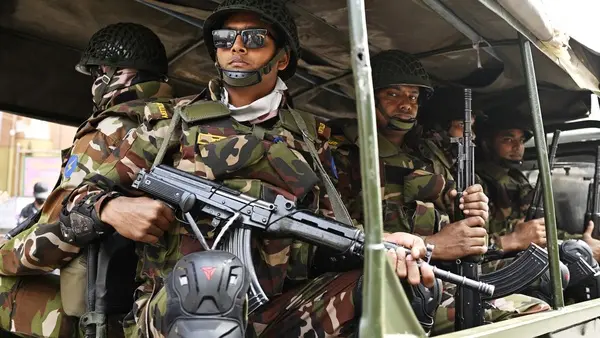
Bangladesh is set to hold its 13th general election on Thursday, marking the first national vote since the 2024 mass uprising that ended the 15-year rule of former Prime Minister Sheikh Hasina and forced her into exile.
Authorities have deployed extensive security across the country, with more than 157,000 police officers supported by 100,000 soldiers and thousands of additional personnel assigned to safeguard polling stations. Nearly 127 million registered voters are eligible to participate in the election.
The Bangladesh Nationalist Party (BNP), led by Tarique Rahman, is widely seen as the frontrunner. Rahman, 60, is the son of former Prime Minister Khaleda Zia. The BNP faces competition from an 11-party alliance spearheaded by Jamaat-e-Islami, which was banned during Hasina’s administration but has regained political ground since her removal. The coalition also includes the newly formed National Citizen Party, established by leaders of the 2024 uprising.
In addition to electing members of parliament, voters will decide on a referendum proposing key political reforms. The measures include introducing term limits for the prime minister, strengthening checks on executive authority, and preventing excessive concentration of power in parliament.
Security concerns remain high ahead of the vote. Election Commissioner Abul Fazal Muhammad Sanaullah said surveillance cameras have been installed in more than 90 percent of the country’s 299 active constituencies. Voting in one constituency has been suspended following the death of a candidate.
Police chief Baharul Alam disclosed that more than half of the country’s 42,000 polling stations have been classified as either high-risk or moderately risky due to concerns about unrest, violence, or ballot manipulation. He noted that over 24,000 centres fall into these categories. Some locations are remote, and political rivalries have intensified tensions. Authorities are also still searching for 1,300 police firearms looted during the 2024 unrest.
During the campaign period from December 11 to February 9, at least five people were killed, and more than 600 were injured in political clashes, according to police records. Rights group Ain o Salish Kendra reported that 158 people were killed and more than 7,000 were injured in political violence between August 2024 and December 2025. Transparency International Bangladesh has also raised concerns about law and order, alleging the formation of mobs and roadblocks by political actors.
Despite these challenges, the interim administration led by Nobel laureate Muhammad Yunus has pledged to ensure a credible and peaceful election. The government declared three days of public holidays to facilitate voting, prompting large numbers of citizens to travel to their hometowns. Transport restrictions are expected on election day.
Heavy traffic has been reported on major highways as workers and other voters leave Dhaka and other cities. Many citizens have expressed strong enthusiasm for the vote, saying they were unable to participate meaningfully in previous elections under the former administration.
About one-quarter of eligible voters are first-time participants, many of whom were active in the 2024 protests. Expectations are high that the election and accompanying constitutional referendum could reset democratic governance after years of disputed polls and restricted political space.
In a televised address, Yunus urged citizens to vote, describing the election as an opportunity to redefine the country’s future direction. He warned that authorities would respond firmly to any attempts to disrupt the process or incite violence.
The outcome of the vote and the proposed reforms are expected to shape Bangladesh’s political landscape and institutional framework for years to come.







Comments
This post currently has no comments.