
Tinubu Never Asked Nigerians to Reject Him Over Electricity — Onanuga
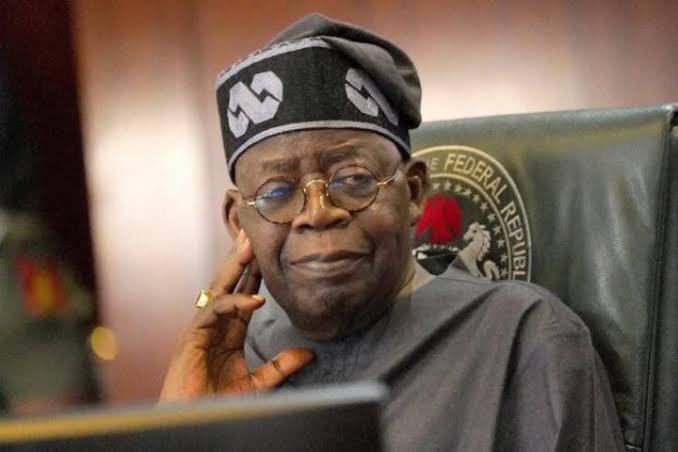
Presidential spokesman, Bayo Onanuga, has clarified remarks made by President Bola Tinubu regarding electricity supply and his re-election prospects, insisting that the President never categorically said Nigerians should reject him at the polls if power supply fails to improve.
Speaking during an interview on Arise News on Tuesday, Onanuga said comments made by Tinubu during a business luncheon in December 2022 had been taken out of context by critics.
Ahead of the 2023 presidential election, Tinubu had said, “If I don’t give you constant electricity for four years, when I come back for a second term, don’t vote for me.”
However, Onanuga argued that the statement was conditional and should not be interpreted as a direct pledge to abandon a second-term bid if the electricity situation remains poor.
“That is not exactly what he said,” Onanuga stated. “He said he will give Nigerians power. He also said he would end the era of estimated billing. If by any chance he has reasons not to give Nigerians adequate power, then they should understand the problem that he inherited.”
The presidential aide explained that the Tinubu administration had already begun reforms aimed at addressing longstanding problems in the power sector.
According to him, one of the administration’s first major steps was the signing of the Electricity Act, which empowers states to generate, transmit, and distribute electricity independently.
“The first thing he did when he came to office was sign the Electricity Act, which enables states to generate power, transmit power and distribute power,” he said.
Onanuga added that the legislation had liberalised the sector and created opportunities for competition, with several states already taking advantage of the reforms.
He also highlighted government efforts to address estimated billing and close the country’s metering gap by supporting meter production and directing electricity distribution companies to provide meters to consumers free of charge.
While admitting that electricity supply had not yet reached the level envisioned by the President, Onanuga blamed the situation on inherited structural challenges.
“We are not at the level that the President meant it. I can tell you that,” he said.
He explained that although Nigeria currently has an installed generation capacity of about 13,500 megawatts, issues such as gas shortages, legacy debts owed to gas suppliers, and weak transmission infrastructure have continued to hinder performance.
“What people don’t know is that we already have an installed capacity of 13,500 megawatts. What are the problems? No gas. The players in the sector owe the gas companies legacy debts of over four trillion naira,” he added.
According to Onanuga, the administration remains committed to implementing reforms aimed at improving power generation, transmission, and distribution across the country.







Comments
This post currently has no comments.