
Australia’s Post-Bondi Crackdown Sparks Concerns Over Targeting Pro-Palestinian Voices
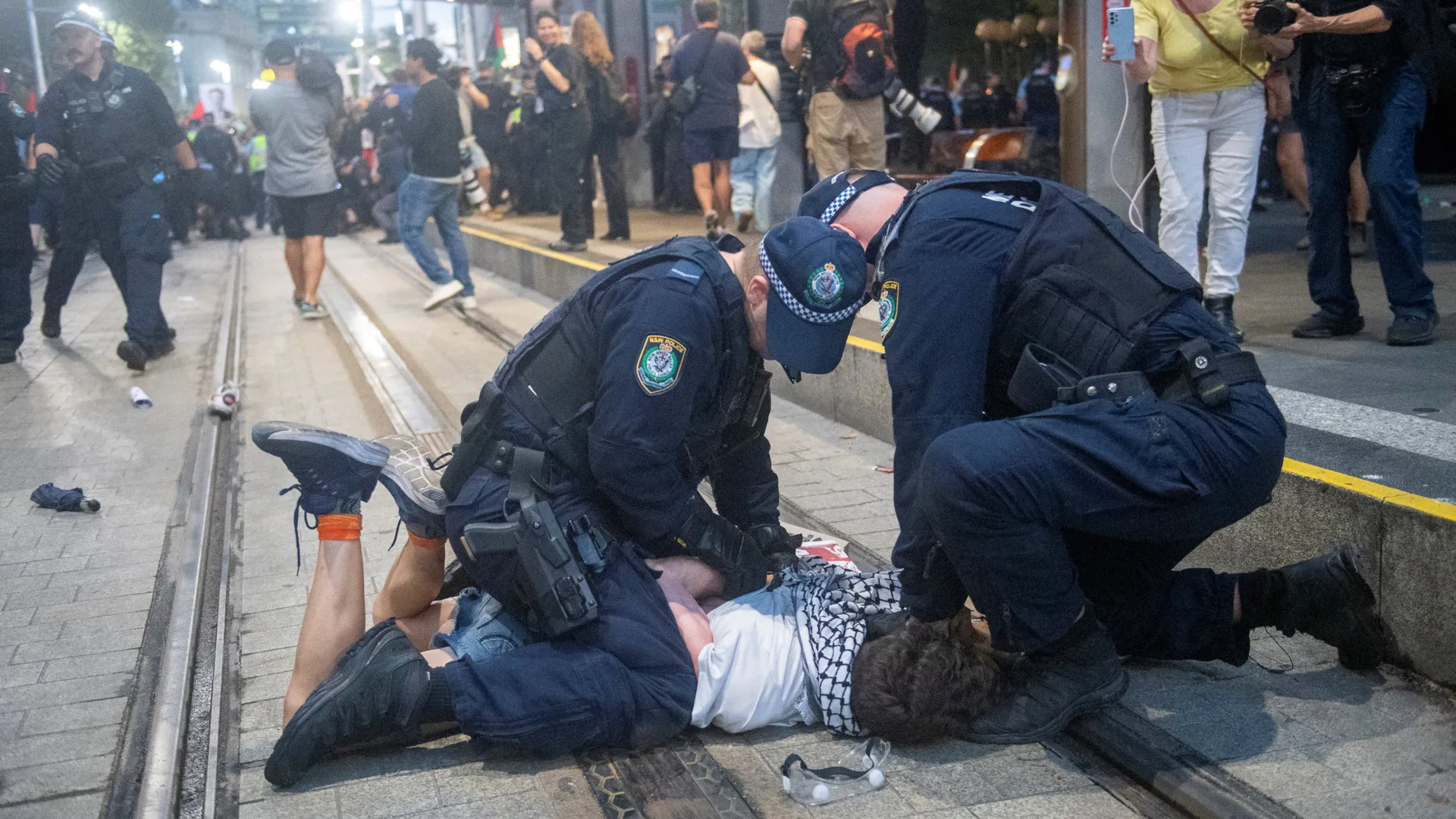
Human rights groups have criticised Australia’s new hate speech laws and heightened policing powers, warning they could suppress pro-Palestinian activism and restrict the right to peaceful protest.
The concerns follow recent arrests of activists in Queensland for chanting slogans such as “From the river to the sea,” which authorities have now classified as illegal under the new legislation. Offenders face penalties of up to two years’ imprisonment.
The laws were introduced after a deadly attack on a Jewish gathering at Bondi Beach in December that left 15 people dead. In response, the government fast-tracked legislation aimed at combating antisemitism, hate speech, and extremism, while also tightening gun control measures.
However, legal experts and advocacy groups argue that the laws are broadly defined and risk being used to stifle legitimate criticism of Israel and advocacy for Palestinian rights. Arif Hussein of the Human Rights Law Centre said the legislation could have a “chilling effect” on activism and free speech.
“There is no place for racism or antisemitism, but people must retain the right to criticise state actions and hold governments accountable,” he said.
Tensions have also escalated during protests, particularly during the February visit of Israeli President Isaac Herzog to Australia. Demonstrations in cities such as Sydney drew thousands but were met with strong police action, including arrests and the use of force.
Some protesters have alleged police brutality. One activist claimed he was assaulted during his arrest, describing being beaten and restrained by officers.
Authorities across several states have expanded police powers, including the ability to designate specific areas where officers can stop and search individuals without warrants. Police can also order individuals to leave areas or remove face coverings, citing security concerns.
Activists say such measures disproportionately affect Muslim communities and pro-Palestinian groups. Nour Salman of the Australia Palestine Advocacy Network warned that the policies risk criminalising legitimate advocacy and increasing fear among already vulnerable communities.
Critics have also questioned whether the laws unfairly prioritise protection for one group over others. Indigenous leaders pointed to ongoing violence and racism against Aboriginal communities, arguing that such issues have not received the same level of urgency or government response.
Despite the backlash, Prime Minister Anthony Albanese has defended the measures, stating they are necessary to tackle both hate-driven ideologies and acts of violence, and to ensure that all Australians feel safe.
However, opposition voices, including members of the Greens, argue that the legislation fails to equally protect all marginalised groups, raising broader concerns about fairness and civil liberties in Australia.







Comments
This post currently has no comments.