
Dozens Killed, Thousands Displaced as Cyclone Gezani Devastates Madagascar
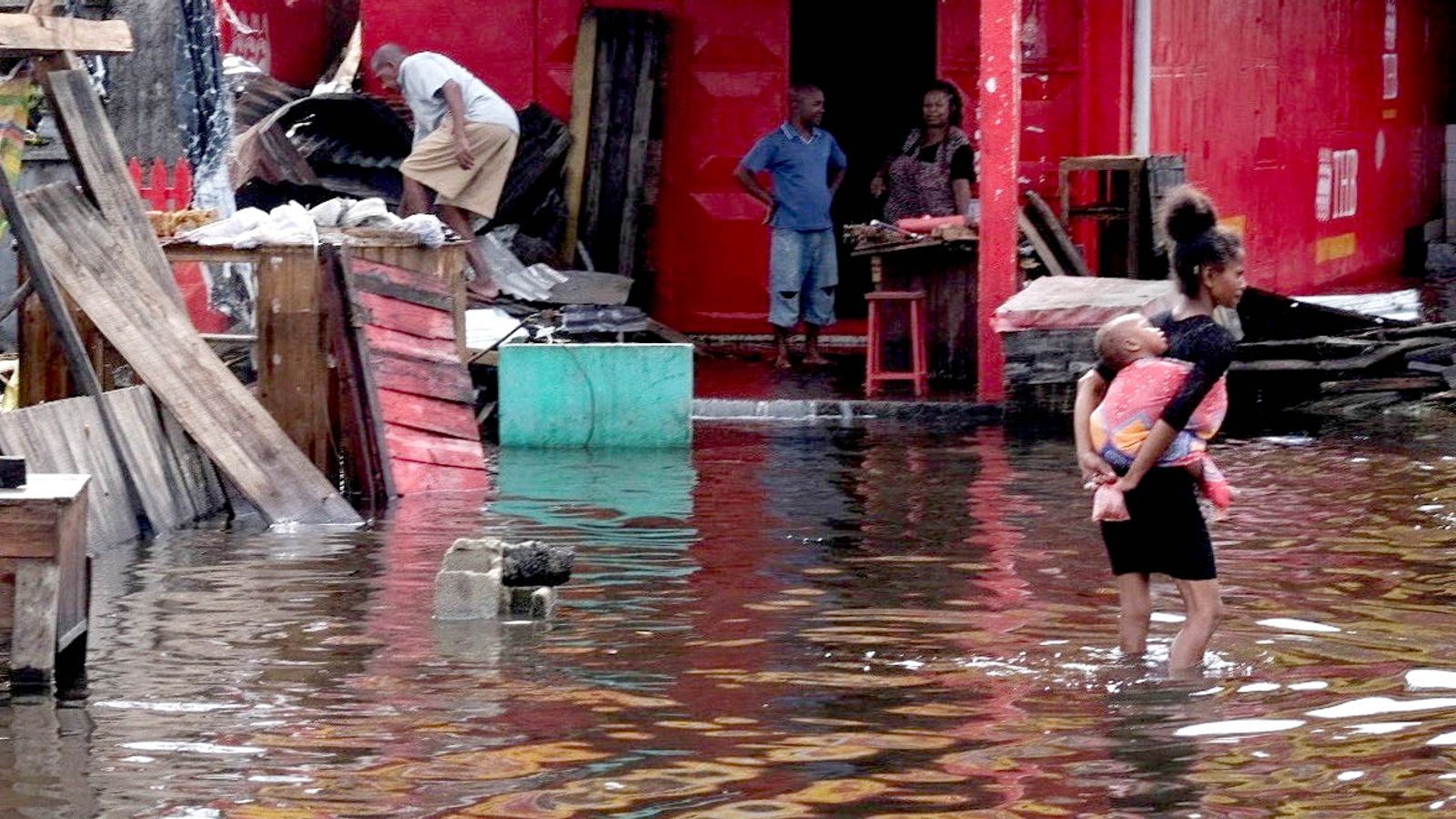
At least 31 people have been killed and thousands displaced after Tropical Cyclone Gezani tore through Madagascar with wind gusts reaching 167mph (270kph), authorities have confirmed.
The country’s disaster management office said four people remain missing, while 36 others sustained serious injuries. A total of 6,870 people have been displaced, and more than 250,000 residents have been classified as disaster victims.
At its peak, Gezani packed sustained winds of 115mph (185kph), powerful enough to rip metal roofing from buildings and uproot large trees. The cyclone struck just days after Tropical Cyclone Fytia battered the island nation, killing 14 people and displacing about 85,000 others.
The hardest-hit area was Toamasina, Madagascar’s second-largest city, where 29 of the confirmed deaths occurred as homes collapsed under the force of the storm. According to the office of President Michael Randrianirina, approximately 75% of the city’s infrastructure has been destroyed. Electricity supply has been cut off since Tuesday.
Residents described scenes of widespread devastation. One local, Harimanga Ranaivo, said he had never experienced winds so violent, noting that metal doors and windows were violently shaken. Another resident, who identified himself only as Michel, said roofs were blown away, walls collapsed, power poles were down and trees uprooted, leaving what he called a catastrophic landscape.
Red alerts were issued in several regions due to the heightened risk of flooding and landslides as the cyclone made landfall.
Gezani weakened to a tropical storm as it moved inland on Wednesday, passing about 60 miles north of the capital, Antananarivo. However, forecasters warn it could regain strength after entering the Mozambique Channel, raising concerns it may loop back and bring fresh destruction to Madagascar’s southwest coast next week.
Weather alerts have also been issued in Mozambique, which is still recovering from severe floods last month that affected more than 700,000 people.
Madagascar’s cyclone season typically runs from November to March, and the island has experienced more than a dozen tropical storms or cyclones since 2020, underscoring its vulnerability to extreme weather events.







Comments
This post currently has no comments.